AI Chip Stocks Bounce After Global Rout Amid Bubble Fears
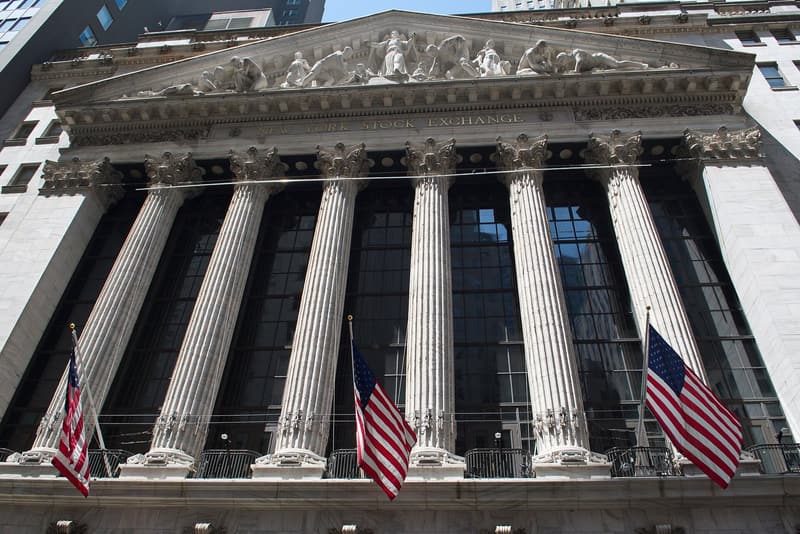
Representative photo · Photo: 颐园居 / Wikimedia Commons, CC BY-SA 4.0
AI chip stocks rebounded following a severe global market rout, raising questions about whether the correction points to a deeper bubble.
This is news, not investment advice. NexVani Media is not a SEBI-registered investment adviser and does not recommend buying or selling any security. Do your own research or consult a registered adviser before investing.
Global chip stocks staged a comeback on Friday following a severe market rout that swept from Wall Street to Asian exchanges. Nvidia shares rose to $186.64 after plunging previously, while AMD also bounced following a sharp decline. Despite these gains, both equities remain well below their October peaks, leaving investors to debate whether this represents an overdue correction or the early stages of an AI bubble bursting. Markets in South Korea and Taiwan experienced heavy losses during the week, prompting Taiwanese officials to reportedly ask state-owned banks to help support prices.
Downside pressure has been fueled by a combination of political developments and mounting debt. Recent U.S. local ballot results showed voters favoring limits on data center development, signaling tougher scrutiny ahead. Because data centers represent the primary growth driver for chipmakers, tighter restrictions and expensive borrowing costs threaten to delay orders and pressure valuations. Market strategist Steve Sosnick told Reuters that heavily owned stocks were already priced to perfection.
Understanding Chip Stocks and Market Corrections
A market correction means an asset has fallen at least 10% from its recent peak without necessarily indicating that the underlying business is shrinking. However, a bubble bursting occurs when unrealistic expectations collapse and funding dries up. Historical parallels to the dot-com crash show how massive investments in infrastructure outpaced near-term profitability, leading to high-profile bankruptcies while the underlying technology survived.
Financial warning lights are starting to flicker in specific sectors. Reuters reported that the cost of insuring against a default by AI-cloud provider CoreWeave climbed significantly. Meanwhile, major technology firms like Microsoft, Alphabet, Amazon, and Meta maintain profitable operations and substantial cash flows, differentiating them from heavily indebted startups. Upcoming corporate results and inflation data will provide further clarity on whether current valuations are sustainable.
A recent global market rebound offered temporary relief, but rising debt and political scrutiny continue to fuel bubble concerns.
Why it matters
A Friday rebound offered relief after a historic selloff, but the question now is whether politics and mounting debt could turn an AI correction into something much worse. The financial health of companies building heavy infrastructure will determine whether the broader economy feels the impact of these market shifts.
Sources
More like this

Former FBI Counterintelligence Agent Admits Stealing Crypto

Sony Disc-Free Move Sparks Concern Over Low-Income Gamers

Bitcoin What Is It: Holders Receive eCash Tokens in New Hard Fork