Aviation Industry Faces Operational Challenges Amid Spate of Hoax Bomb Threats
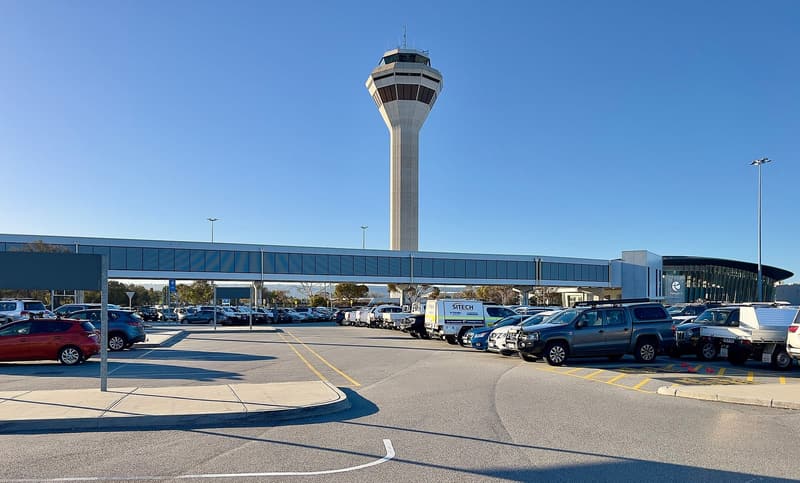
Representative photo · Photo: Kgbo / Wikimedia Commons, CC BY-SA 4.0
Airlines are grappling with a wave of hoax bomb threats that have triggered emergency protocols and diverted flights across the globe.
The aviation industry is currently navigating a period of intense disruption following a spate of hoax bomb threats that have targeted at least a dozen airlines over the past four days. These incidents, which have occurred with alarming frequency, have forced carriers to implement emergency procedures, including mid-air inspections and unexpected diversions to ensure passenger safety. While all threats have been confirmed as hoaxes, the operational impact remains significant as airlines are required to treat every alert as a genuine emergency.
Understanding the spate of threats
These threats have been delivered through various channels, including phone calls and emails. In some instances, the gravity of the situation required military jets to escort commercial aircraft, while other flights were diverted to alternative airports, sometimes in different countries. For example, an Aer Lingus flight was forced to land at an airbase 1,000 kilometers from its intended destination due to fuel concerns. Marco Chan, an aviation expert at Kingston University, notes that airlines follow rigid triage protocols for each threat, which may involve discreet cabin inspections or full searches upon landing. While passengers may experience delays, experts emphasize that these measures are non-negotiable for safety.
Airlines must treat every hoax threat as a genuine emergency to ensure passenger safety.
Despite the logistical challenges, aviation security expert Paul Mason suggests that the industry is well-equipped to handle the unexpected. Airlines frequently manage diversions due to technical issues, medical emergencies, or adverse weather, with daily numbers sometimes exceeding one hundred. However, the current situation is unique due to the random nature of the targets and a lack of clear intelligence regarding the perpetrators. While one extremist group was linked to a handful of emails, the claim was subsequently denied, leaving authorities with few leads.
Some experts believe these incidents may be a form of hybrid warfare, utilizing sophisticated technology to create chaos while maintaining plausible deniability. Regardless of the motivation, authorities warn that those responsible face severe legal consequences. Under the Aviation Security Act 1982, communicating false information that endangers an aircraft is a serious criminal offence, often punishable by imprisonment. As investigations continue, the industry remains on high alert, balancing the need for strict security with the reality of maintaining global air travel schedules.
Why it matters
The recent wave of hoax threats poses a serious challenge to airlines, resulting in significant operational disruption and financial strain. While carriers are experienced in managing diversions, the lack of credible intelligence regarding the perpetrators complicates security efforts and leaves passengers with limited recourse for compensation, as these incidents are not considered the fault of the airlines.
Sources
More like this

Sudan War and Climate Crisis Drive Severe Child Malnutrition

Ukraine Russia war: Strikes hit Kyiv ahead of talks

Trump Iran War: Mixed Signals as US President Weighs Next Steps